
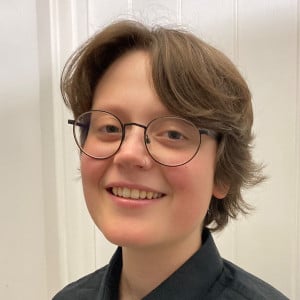
Charlie L profile is inactive at the moment. You can continue your search through our search engine
About Charlie L
Learn to play and sing the music you love! With me, music is not an academic exercise but about the joy and value it can bring to your life. I am here to share my love and knowledge of music with you so that you can learn skills that you can take with you anywhere, for the rest of your life.
I will never make you play or sing a piece that you don’t like or tell you that you have to read music or learn theory if it doesn’t interest you. I am flexible and open minded and love finding new ways to do things. I have worked with children as young as 4 all the way through to adults, and love working with those with additional needs, SEND and who are neurodivergent. I want to leave you feeling excited to practise, not dreading it.
What happens in a lesson?
In your first lesson we’ll have a chat about what you want to learn and what sort of music you like listening to. I’ll ask you about how you like to learn, what ways have worked (or maybe not worked!) so well for you before. What happens after that will be very tailored to you but below are some examples:
Example lesson 1: 35 year old who loves singing in the shower and wants to be able to play the guitar to gather friends around and have a sing along.
We decide on three songs that you think your friends would like and listen to them together, having a chat about what we can hear is going on musically and how this could be translated onto the guitar. We see if the original key suits your voice and I accompany you first to see if there are some stylistic choices we could make. We choose one piece to work on for this lesson. I then get the chords up for you and teach you the shapes on the guitar and we focus on fluency and confidence. You then have a go at singing a bit of the song, coordinating your playing to it. I give you some tips to ensure you can do both at the same time and help you with how to practise in your own time.
Example lesson 2: 15 year old who has ADHD and loves how the saxophone sounds but isn’t sure if they’ll stick with it.
Once I’ve taught you basic mouth positioning and you’re able to get a sound out, we move on through a range of activities to keep your interest. We choose three notes to improvise/jam over together. You see how many ways you can combine those three notes and how many rhythms you can make and I bounce off you, copying what you’ve done. We swap, this time you see if you can copy the patte...
I will never make you play or sing a piece that you don’t like or tell you that you have to read music or learn theory if it doesn’t interest you. I am flexible and open minded and love finding new ways to do things. I have worked with children as young as 4 all the way through to adults, and love working with those with additional needs, SEND and who are neurodivergent. I want to leave you feeling excited to practise, not dreading it.
What happens in a lesson?
In your first lesson we’ll have a chat about what you want to learn and what sort of music you like listening to. I’ll ask you about how you like to learn, what ways have worked (or maybe not worked!) so well for you before. What happens after that will be very tailored to you but below are some examples:
Example lesson 1: 35 year old who loves singing in the shower and wants to be able to play the guitar to gather friends around and have a sing along.
We decide on three songs that you think your friends would like and listen to them together, having a chat about what we can hear is going on musically and how this could be translated onto the guitar. We see if the original key suits your voice and I accompany you first to see if there are some stylistic choices we could make. We choose one piece to work on for this lesson. I then get the chords up for you and teach you the shapes on the guitar and we focus on fluency and confidence. You then have a go at singing a bit of the song, coordinating your playing to it. I give you some tips to ensure you can do both at the same time and help you with how to practise in your own time.
Example lesson 2: 15 year old who has ADHD and loves how the saxophone sounds but isn’t sure if they’ll stick with it.
Once I’ve taught you basic mouth positioning and you’re able to get a sound out, we move on through a range of activities to keep your interest. We choose three notes to improvise/jam over together. You see how many ways you can combine those three notes and how many rhythms you can make and I bounce off you, copying what you’ve done. We swap, this time you see if you can copy the patte...
